Many restaurants find it hard to hire and keep enough staff. For a lot of owners, this has become part of daily life. More and more of them are now looking at technology to help, and the real question is how to use it without losing the friendly service that guests come for.
This is where many owners usually stop and worry. They think a screen will take away the personal touch. But a self-order terminal, used in the right way, can do the opposite. It takes the simple, repeating tasks off your team so they can get through a busy shift while still giving your guests the attention they deserve.
The Real Cost of the Staffing Shortage
Keeping a full team is one of the hardest parts of running a full-service restaurant. Come up short, even by one or two people, and it costs you every time you open, in ways such as:
Leaner shifts: Fewer hands means each person covers more at once, and service could slip at exactly the hours you are busiest.
More mistakes: Rushed, tired staff could potentially misremember orders and fumble payments, and every error costs you food or a repeat guest.
A turnover spiral: Constant pressure burns people out and pushes them to quit, which feeds the same shortage you are trying to escape.
None of this improves by asking an overworked team to try harder. The real fix is to hand the repetitive work to something built for it, and a self-order terminal might be exactly what you need.
What Is a Self-Order Terminal?
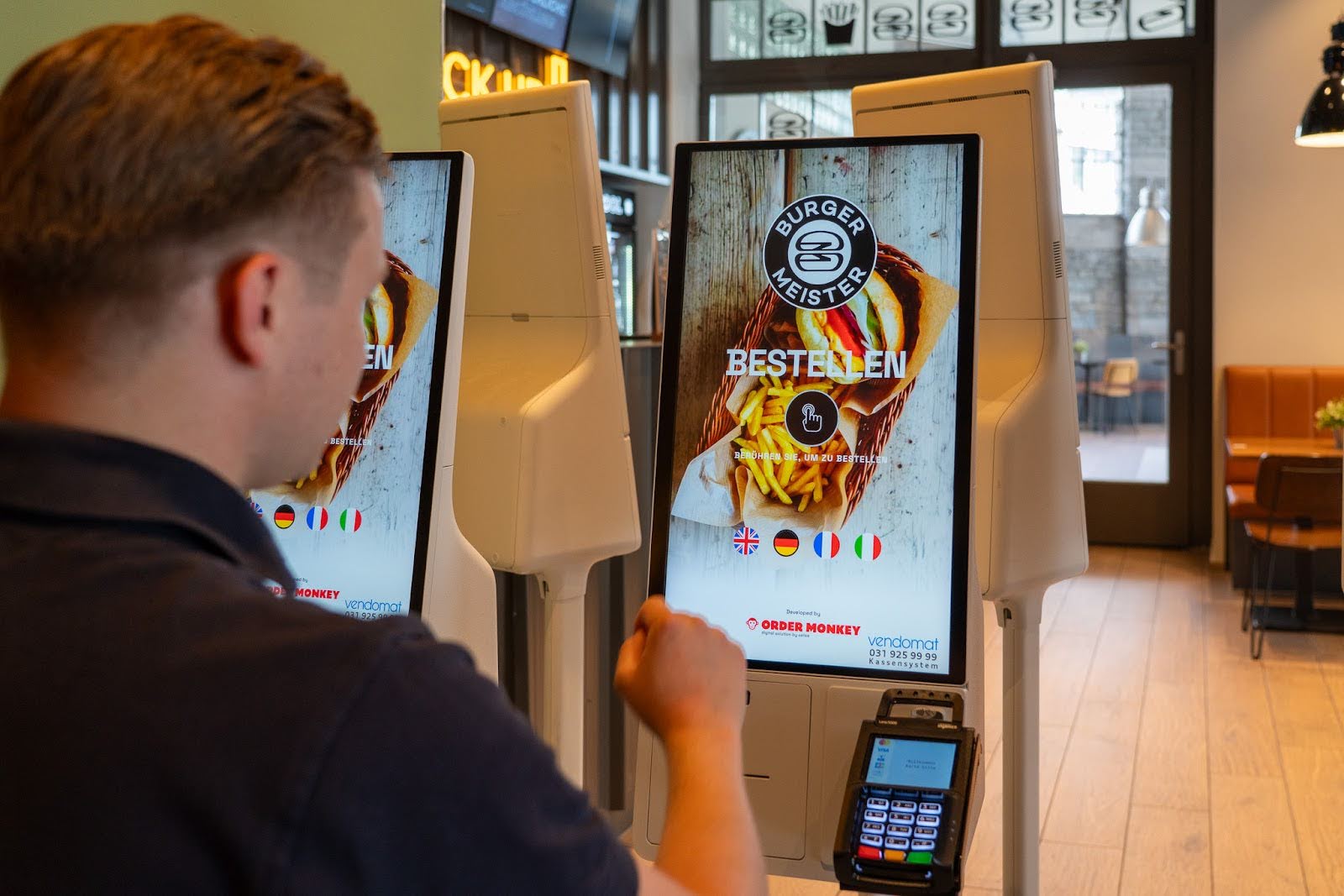
A self-order terminal, also called a self-order kiosk, is a touchscreen station where guests browse the menu, customize their order, and pay on their own. The order goes straight to the kitchen, with no cashier in the middle.
You have probably used a self-order terminal at a fast-food chain, but self-ordering kiosks now appear in casual spots such as cafes and full-service restaurants as well. Here is what a self-order terminal changes for your team, your restaurant, and your guests when you are short-staffed.
The Benefits Of Self-Order Terminals For Your Team
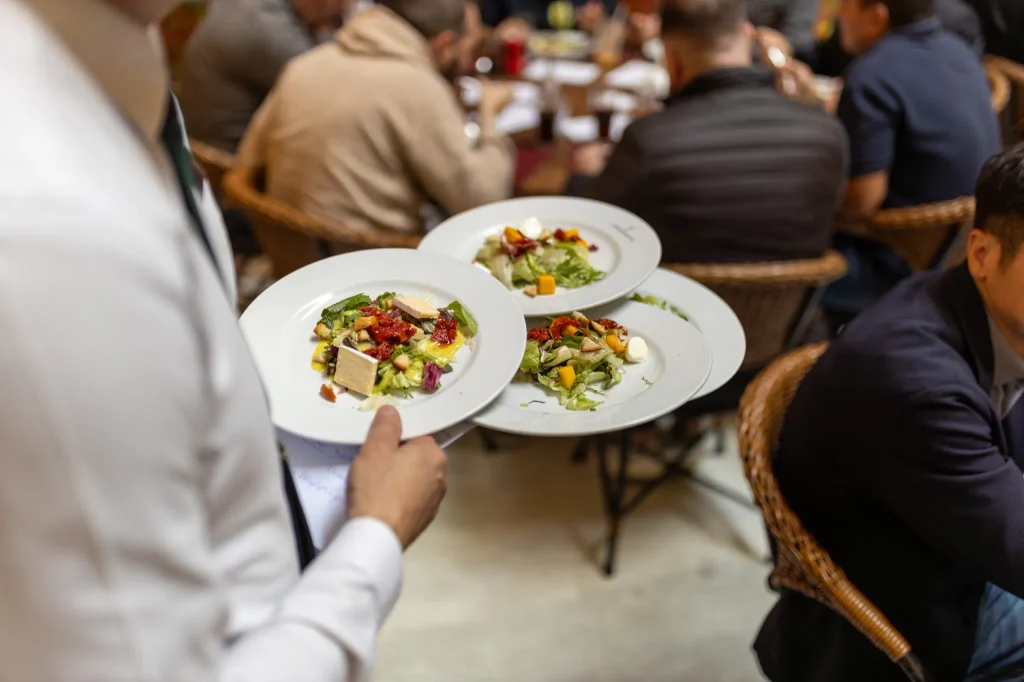
A self-order kiosk can benefit your team long before it shows up in your numbers. Think about where your staff adds the most value, such as recommending a side dish, calming an allergy worry, or turning a tense table around. Those are the first things to slip when you are short-staffed.
By taking over the repetitive work, a self-order terminal lets the same small team cover more of what matters. That eases the shortage in two ways:
Less stress: Instead of juggling the cash register, the telephone, and waiting for guests, your service staff can focus on table service and the quality of the experience.
Customer satisfaction: The hours saved go to the work a machine cannot do, like personal recommendations, upselling, and the tricky requests that keep guests coming back.
The Benefits Of Self-Order Terminals For Your Restaurant
The benefits of a self-order kiosk reach past your team and into the restaurant as a whole. Once the repetitive work is handled, the whole operation runs smoother, which matters most when you are short-handed. Here are some of the benefits for your restaurant:
Shortened waiting times: Guests order and pay whenever they are ready, and adding a few terminals means more people can order at once, so lines move faster when you are busiest.
Fewer missed orders: Because guests enter their own choices, every order reaches the kitchen exactly as they intended, with nothing lost between the counter and the pass.
Higher average spend: The terminal can suggest sides and add-ons that go with what a guest has already chosen, which nudges the order size up without any pressure from staff.
Ordering in any language: In tourist areas, guests switch to their own language and order on their own, so you do not need a multilingual team on every shift.
The Benefits Of Self-Order Kiosk For Your Guests
Your guests will also benefit from a self-order terminal, even when your restaurant is short-staffed. The screen gives them a few things a rushed counter often cannot:
No pressure: They browse the full menu, see a photo of each dish, and check ingredients or allergens without feeling rushed or holding up a line.
Accurate orders: What they tap is what they get, so the meal arrives the way they pictured it.
Quick payment: They pay right at the screen and move on, instead of waiting to flag someone down.
How to Get Your Team on Board With Self-Ordering
Switching to self-ordering can feel like a big change, especially for a team that has run the same way for years. Here are some ideas to make the transition easier:
Be transparent from the start: Explain the reason behind the decision and show how the terminal cuts everyday stress.
Focus training on the new role: Cover the terminal quickly, then spend more time on the advisory and hospitality work your team now has room for.
Celebrate the wins: When wait times drop and guests leave happier, say so, so the team sees the change working.
Beat the Staffing Shortage With ORDERMONKEY Self-Order Terminals
You cannot magic more people onto the schedule, but you can take the busywork off the ones you already have. An ORDERMONKEY self-order terminal handles the orders and payments, so your team can spend a lean shift where it counts, with your guests.
Our self-ordering solutions adapt to how your restaurant already works, helping you steady service and lift revenue on the shifts where you are short a pair of hands. Not a replacement for your team, but a way to get more out of the one you have.
Short-staffed and stretched thin? Let’s talk. Contact us today to see what self-order terminals could do for your restaurant.
Frequently Asked Questions (FAQ)
How can I be sure that the self-order terminals won’t eventually replace my staff?
Self-order kiosks replace tasks, not people. They simply take care of repetitive processes, allowing your staff to focus on the human aspects of service. This will allow you to achieve more with your existing team and increase both employee and guest satisfaction.
What about guests who are not tech-savvy?
Guests can always order with a member of your team instead. In a hybrid setup, staff stay on the floor to help, answer questions, or take orders the usual way, so the terminal just adds one more easy way to order. Most guests pick up the ORDERMONKEY interface within a few taps.
Is investing in a self-order terminal really profitable?
Yes. The profit comes from a few things working together. Targeted upselling lifts order values, shorter wait times let you serve more guests, and freeing your team from routine tasks means the staff you have can cover busy shifts without extra hands.
How difficult is the integration into my existing cash register system?
We place great emphasis on easy integration. ORDERMONKEY’s self-order terminals are compatible with numerous common POS systems and payment providers such as Worldline and Nexi. The integration is designed to minimize disruption to your business operations.